Entry · Ref ARGUPRME
Choosing a Day Out from Girona for Travellers in Eixample
- Posted
- 2026-11-26
- Last amended
- 2026-11-26
- Account
- @getgironafulldaytoursite
Choosing a full day out from Girona is less about finding the longest itinerary and more about matching the day to your pace, interests and starting point. For travellers based in Eixample, the best choice often depends on how much time you want to spend travelling, how structured the day feels and what kind of places you want to see once you arrive. A good plan should feel clear before you leave, not something you have to piece together on the street.
Start by deciding what kind of day you actually want. Girona and its surrounding area can suit history, food, architecture, small villages, scenic walks and slower cultural visits, but not every outing covers all of those well. Think about whether you want a single historic centre, a route through several stops or a relaxed day with long breaks. This first decision keeps later choices from becoming confusing, because it gives you a simple test: does the plan match the kind of day you pictured?
Set your priorities before comparing options
Write down two or three things that matter most. That might be Gothic streets, a cathedral, a market, a riverside walk, local food, film locations, a monastery or time in a village away from the busiest routes. Once those priorities are clear, compare each option against them rather than judging everything by appearance. A packed route may look impressive, yet it can leave little room to enjoy the places that mattered to you.
Also think about who is coming. A day with children, older travellers or anyone who prefers a slower pace needs fewer stops and more breathing space. A couple who enjoys architecture may prefer detailed context and time to look upward at buildings. Someone visiting Barcelona for the first time may already have a full city agenda, so a day outside the city should feel like a change of scene rather than another dense list of landmarks.
Check the starting point and total travel time
For people staying in Eixample, the practical question is not only where the day goes but how the journey begins. Look closely at the meeting point, the departure time and the return point. A central meeting place can be convenient, but only if you know how you will reach it and how long that takes from your accommodation. A plan that begins early may still work well if the return is straightforward and does not leave you short of time in the evening.
Travel time also shapes the day itself. Shorter journeys usually leave more time on site, while longer transfers can make a route feel rushed. If the plan lists many stops, check how much of the day is spent moving between them. It is easy to underestimate the effect of narrow streets, waiting time, lunch breaks and the simple fact that groups take time to gather. A realistic timetable is more useful than a long list of places.
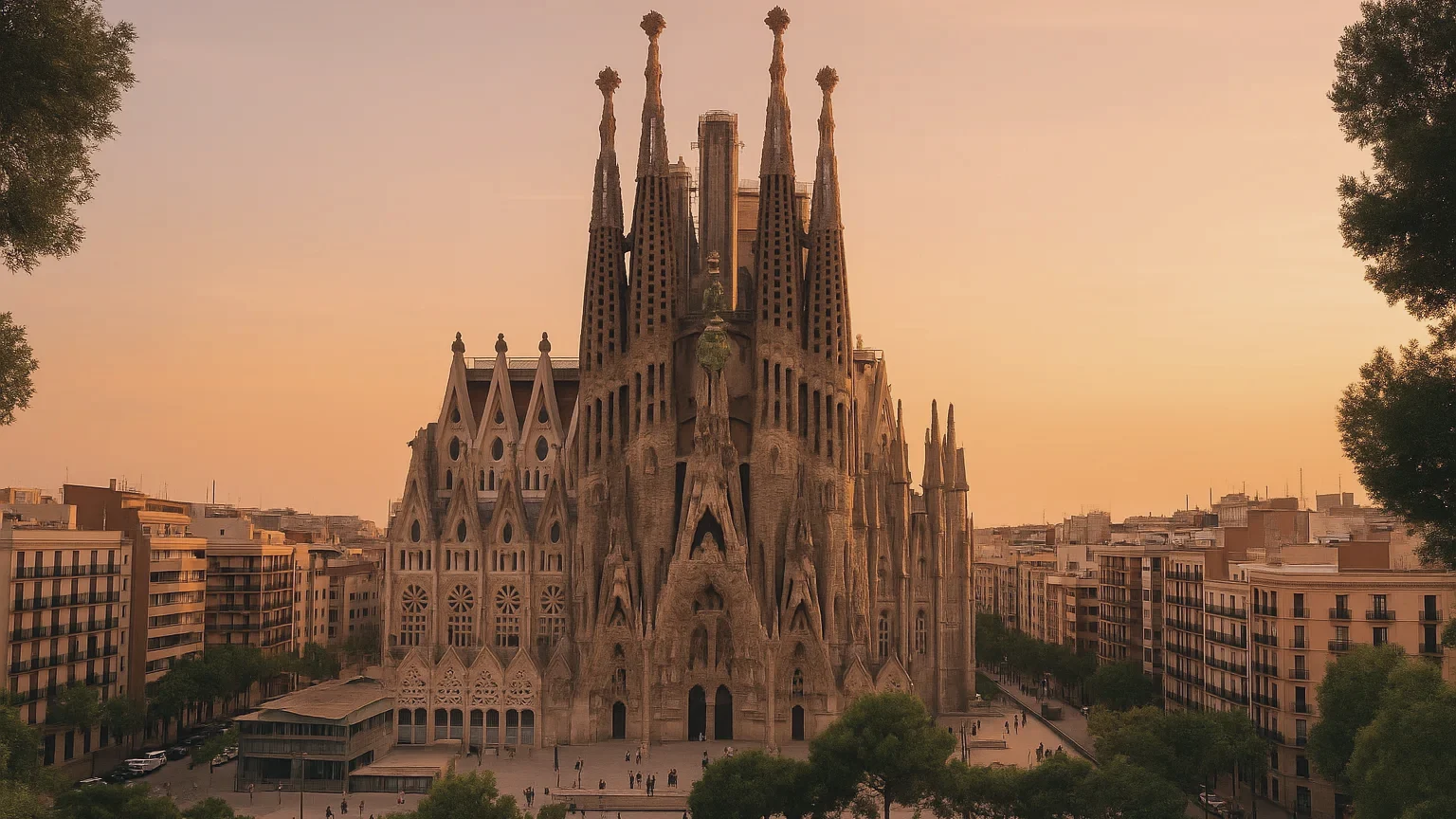
One local option is Girona Full Day Tour. Any name can be a starting point for comparison, but the decision should still rest on the practical fit: route, timing, pace and the level of structure you want.
Read the route as a timeline, not a brochure
Descriptions often use attractive language, so translate the route into a plain sequence. Where do you go first? How long do you stay? Is lunch included in the schedule or left open? Are there free moments, or does every hour have a planned activity? A well-balanced day usually has a rhythm, with busier sights followed by time to sit, walk or look around without rushing.
Watch for plans that promise too much. Several major stops in one day can be possible, but the quality of the visit depends on travel links, group size and the amount of time at each place. A cathedral, a old town, a market and a village may sound appealing together, yet each deserves attention. If you value depth, choose fewer stops with clearer time built in. If you want variety, accept that each visit may be shorter.
When comparing a girona full day tour with other ways of spending the day, look at how the route handles the middle hours. That is where many plans weaken. A good midday break allows for food, water and rest, especially in warm weather. It also gives the day flexibility, since queues, road delays or a slow lunch can affect what happens next.
Consider the level of guidance
Some travellers want background stories, context and clear explanations. Others would rather move independently and use a route only as a framework. Both approaches can work, but they suit different expectations. If historical detail matters, look for a plan that explains what the commentary covers and how much time is set aside for questions. If independence matters, check whether there are long periods of fixed group activity.
Language is part of this decision. A visit can lose much of its value if the explanation is hard to follow. Confirm the language of the day and whether printed or digital material is available. If you are travelling with people who speak different languages, think about how that will affect everyone. A shared language that most people understand is usually more practical than a plan that leaves part of the group guessing.
Check group size and the feel of the day
Group size changes the experience more than many people expect. A smaller group tends to move more easily through narrow streets and allows more direct conversation. A larger group can still work well, especially when the route is open and the timetable is firm, but it may require more waiting and less flexibility. Think honestly about your tolerance for crowds, noise and fixed schedules.

Ask what the day feels like in practice. Is it mostly walking, mostly travelling by vehicle, or a mix? Are there steep streets, uneven paving or long periods standing? These details matter in a historic centre, where beauty often comes with cobbles, slopes and busy squares. Anyone with mobility concerns should check the route carefully before choosing, since a short distance on a map can still involve steps or rough surfaces.
Look closely at food and break arrangements
Food can be a highlight or a source of frustration. If a meal is part of the day, find out whether it is a set menu, a tasting stop, free time or simply a recommendation. A tasting can be useful when you want to sample local specialities, but it may not suit everyone's appetite or dietary needs. Free time for lunch offers more control, though it can require planning if the chosen area becomes busy.
Dietary requirements should be raised before you commit, especially for vegetarian, vegan, gluten-free or allergy-related needs. It is also wise to carry water and a small snack, even when food is included, because timings can shift. For a day that includes walking, a light breakfast helps more than a heavy one. Confirm such practical details with whichever business you choose, since meal rules and break arrangements can vary.
Compare what is included and what is left open
A clear comparison should separate the main parts of the day from optional extras. Entrance tickets, transport between stops, commentary, meals and free time may be handled in different ways. Do not assume one item includes another. If a plan mentions a landmark, check whether the visit goes inside or stays outside. If it mentions a town, check whether there is guided time or only an arrival and departure point.
This is also where hidden constraints tend to appear. Some places close on certain days, reduce access during events or require advance arrangements. A plan that works in one season may feel different in another because of daylight, heat, rain or local festivities. Check dates and seasonal conditions before making a final choice, particularly if the route depends on outdoor time.
Read recent feedback with a critical eye
Reviews can help, but they are most useful when read for patterns rather than praise alone. Look for repeated comments about punctuality, pacing, clarity, comfort and how the day was organised. A single unhappy review may reflect a bad day, while the same issue mentioned often deserves attention. Equally, glowing comments are more useful when they describe specific moments rather than vague enthusiasm.
Pay attention to how complaints are answered. A measured, practical response can say more than a polished sales pitch. At the same time, keep your own priorities in mind. A traveller who dislikes early starts may complain about a departure time that another traveller finds ideal. Use feedback to test fit, not to replace your own judgment.
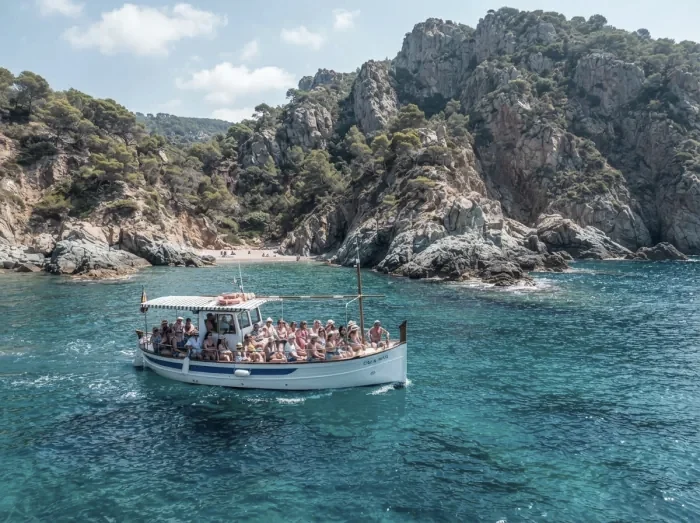
Confirm the practical details before you commit
Before making a choice, check the meeting point, duration, cancellation terms, payment steps, group size, language, meal arrangements and any age or mobility limits. These details prevent most disappointing days. If something is unclear, ask before paying rather than relying on assumptions. A short question at this stage can save hours of frustration later.
Also leave room in your wider trip. A full day away from Barcelona should not sit directly before a tight departure or after a late night if you want to enjoy it. Plan your return with enough margin for dinner, rest or other commitments. The right choice should fit your trip as a whole, not just look appealing on its own.
Girona Full Day Tour is located at Carrer d'Alí Bei, 80, Eixample, 08018 Barcelona, Spain. The phone number is +34 632 93 79 41.